Client
Venture Café Tokyo
Services
Program co-delivery
Year
2026
Tokyo SUTEAM - Beyond Makers Program
Project overview
The Beyond Makers Program is a Tokyo Metropolitan Government-funded cross-border co-creation initiative connecting Japanese manufacturing small and medium-sized enterprises (SMEs) with Australian deep-tech, hardware and digital transformation startups. The program is designed to help Australian startups access Japan's advanced manufacturing capabilities, technical expertise and established industrial networks, while enabling Japanese manufacturers to explore emerging technologies and new business opportunities.
Within just five months, the program achieved 7 MoUs signed, 5 PoCs and over JPY 10 million in business generated, demonstrating the strong alignment between Japanese manufacturing capabilities and Australian deep-tech innovation.
The Beyond Makers Program is powered by Venture Café Tokyo, Lambda, Arclev and Innovation Dojo Japan (IDJ), bringing together complementary expertise across innovation, startup engagement, and cross-border collaboration.
ℹ️ For more information, visit the Beyond Makers Program website.
The challenge: Bridging manufacturing expertise and deep-tech innovation
Australian deep-tech startups often develop promising technologies but face challenges when moving from research and development towards prototyping, testing and commercialisation.
Finding suitable manufacturing partners can be difficult, particularly when startups are entering a new market without established industry relationships. Technical requirements, communication barriers and differences in business practices can also slow down collaboration.
Meanwhile, Japanese manufacturing SMEs possess specialised engineering capabilities, manufacturing know-how and long-standing supply chain relationships. However, identifying promising overseas startups and translating their technologies into new business opportunities requires the right connections and a structured approach.
The opportunity was to bring these complementary strengths together and create a practical pathway from initial introductions to technical collaboration and commercial outcomes.
Three Modules
The program was delivered across three modules, supporting participating companies from initial introductions through to technical collaboration and commercial engagement.
Module 1: Japanese manufacturers visit Sydney, Australia
Objective: Identify collaboration opportunities and connect Japanese manufacturing capabilities with Australian innovation.
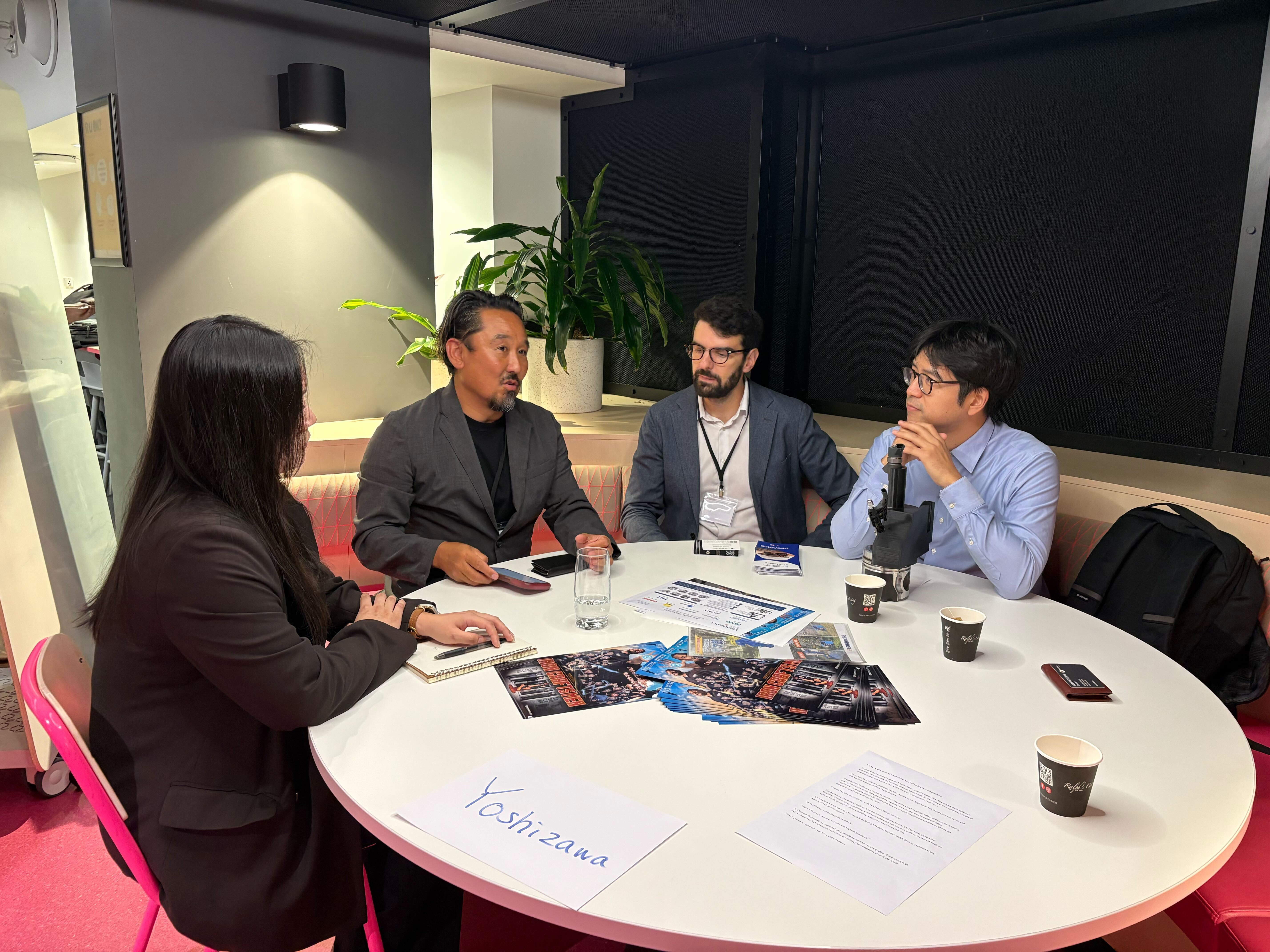
7 Japanese manufacturing SMEs visited Australia to engage with 7 Australian deep-tech startups. Activities included industry site visits in Sydney CBD and Bradfield, business matchmaking and collaborative workshops to explore technical synergies and potential partnerships.
.JPG)
Module 2: Collaboration development and PoC support
Objective: Turn initial connections into concrete projects and commercial opportunities.
Following the Australian visit, participating companies received ongoing support to progress technical and business discussions, refine collaboration opportunities and work towards NDAs, MoUs and PoC engagements.
Module 3: Australian startups visit Tokyo, Japan
Objective: Deepen technical engagement and strengthen commercial partnerships.
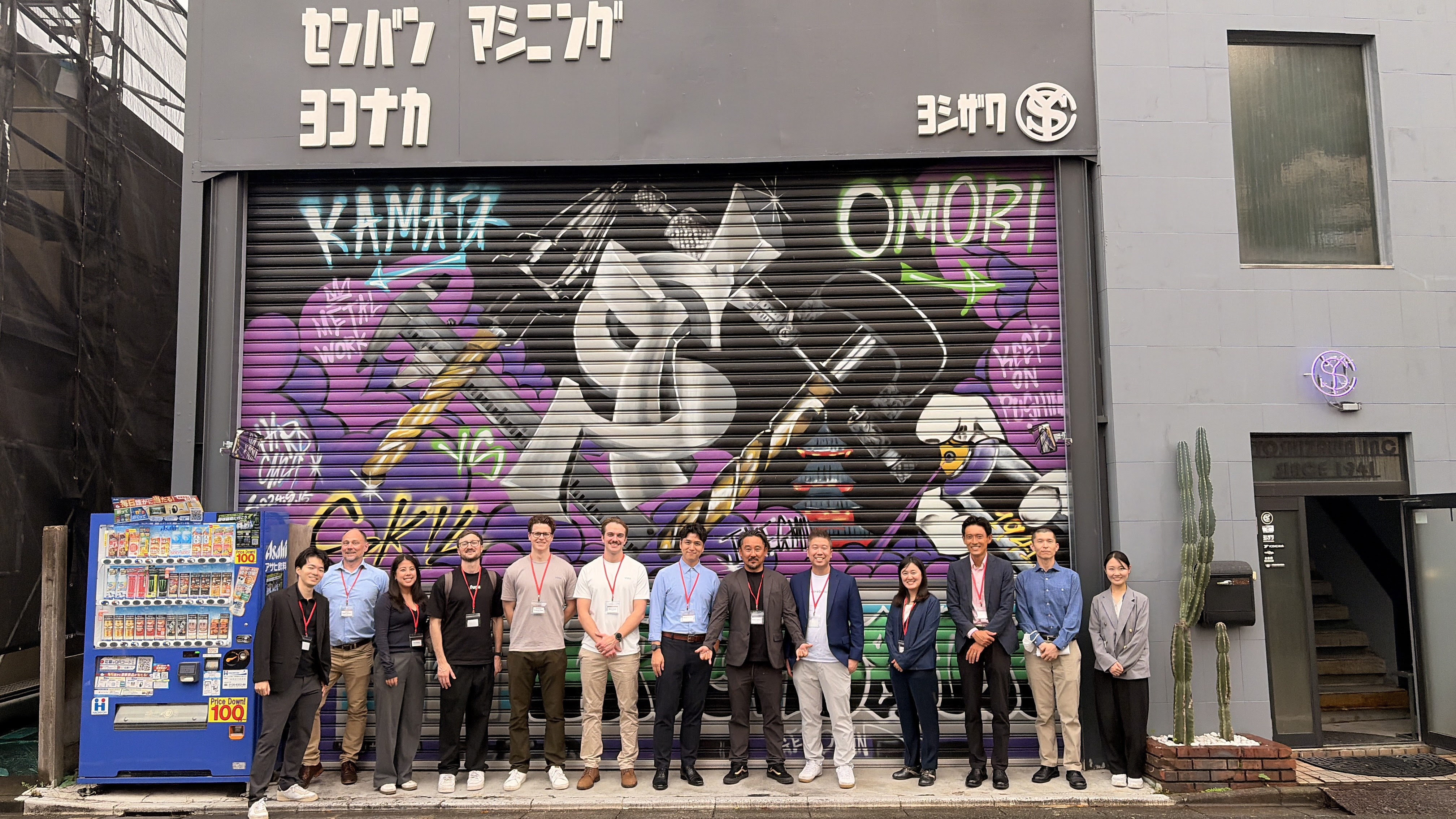
The Tokyo program strengthened relationships established during the Australian visit and provided a further opportunity for participants to progress technical discussions and commercial partnerships.
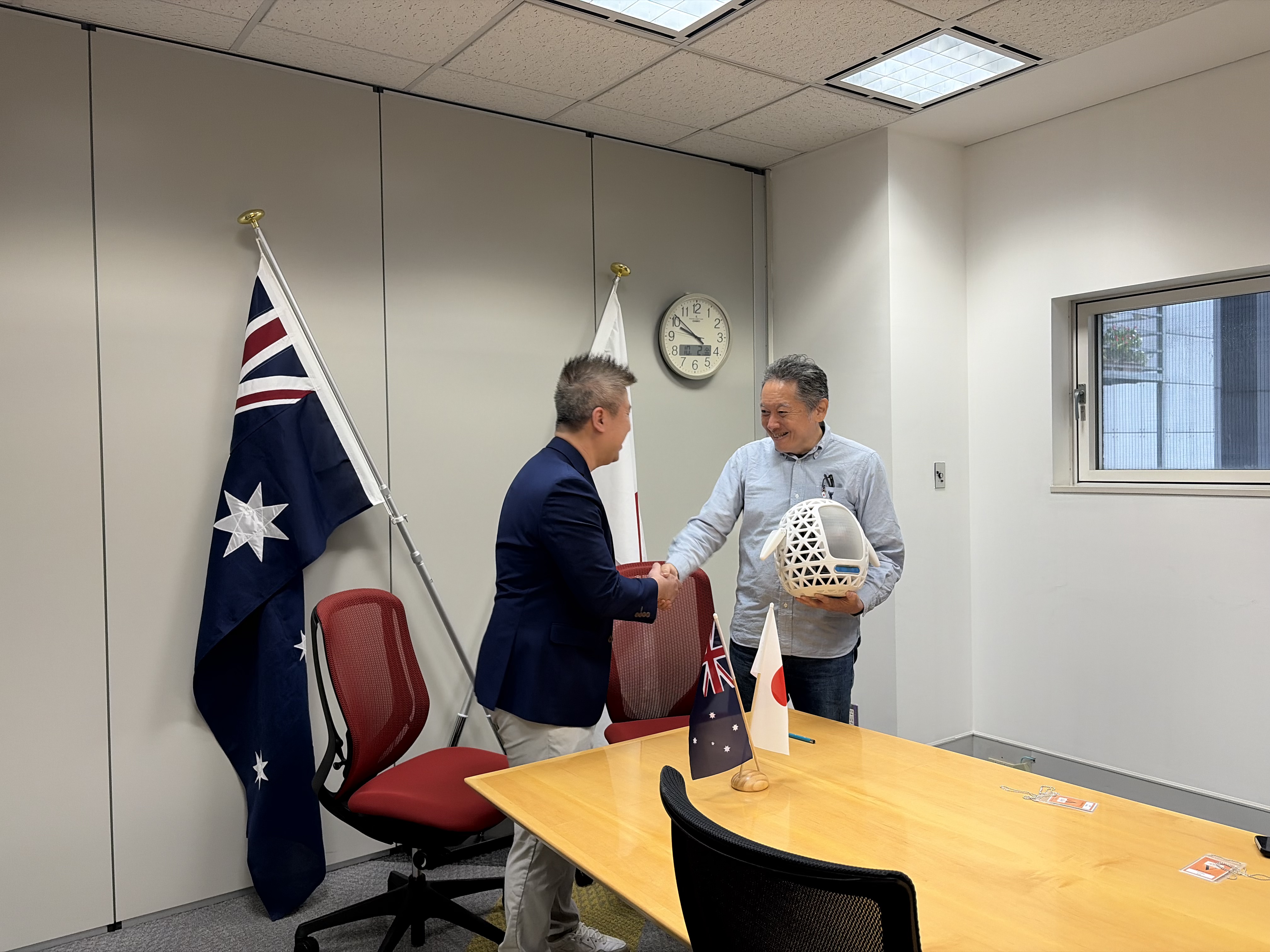
The program wrapped up with an engagement signing ceremony at the Embassy, recognising the progress made by participating companies and formalising their commitment to continued collaboration.
Key Outcomes
Within five months, the Beyond Makers Program translated cross-border engagement into measurable business outcomes.
1. Seven MoUs signed
Establishing a foundation for continued collaboration between Australian startups and Japanese manufacturing SMEs. These agreements represented progress beyond initial matchmaking, with companies identifying shared interests and committing to further engagement.
2. Five PoCs Developed
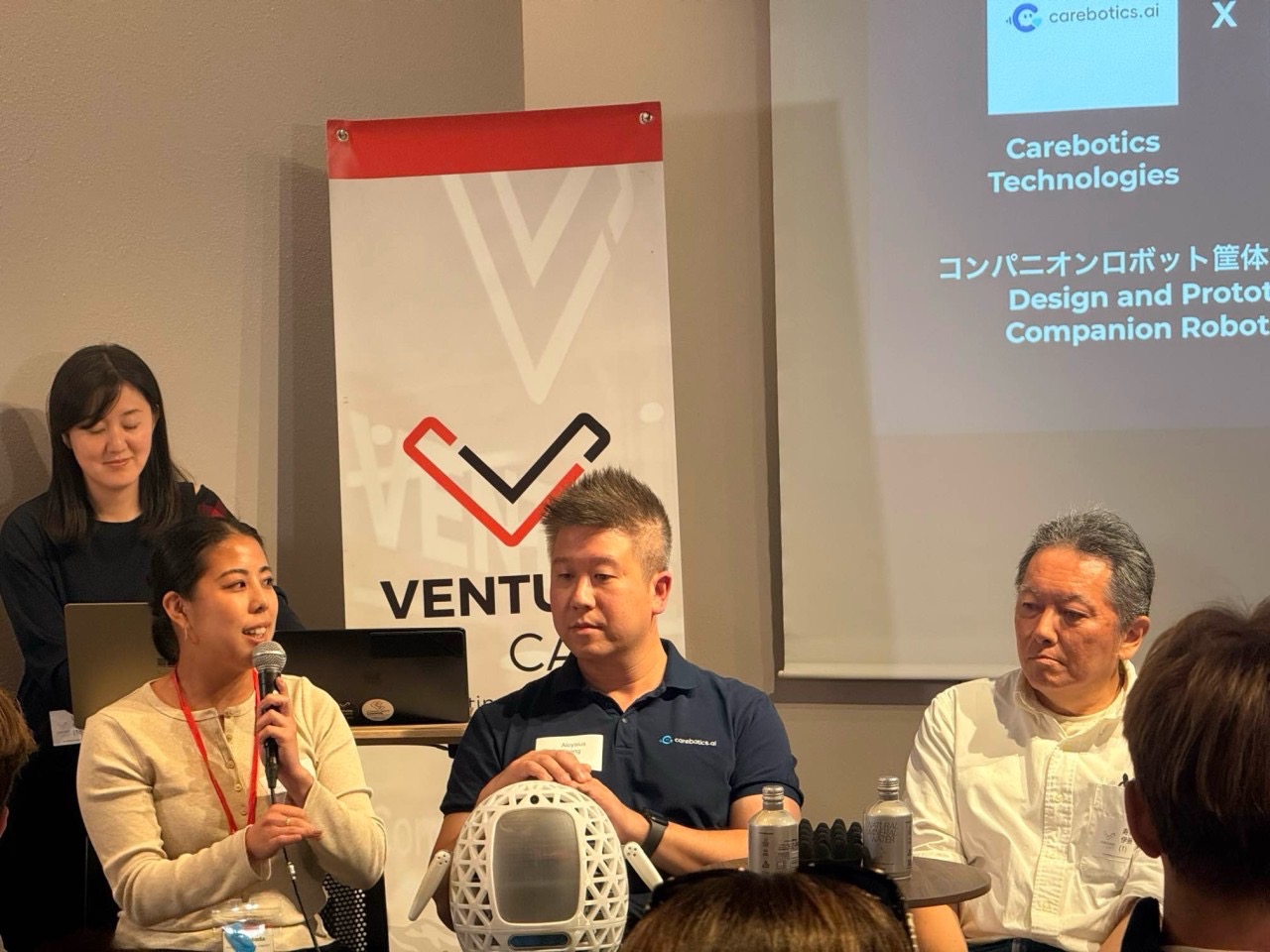
5 PoCs progressed through the program, covering activities from prototype co-development and precision component manufacturing to technology validation in real-world settings.
For the participating startups, these PoCs provided a dual benefit: 1) achieving tangible technical outcomes through PoC, and 2) gaining access to local supply chains and industry networks to support market entry and future business development.
3. More than JPY 10 million (AUD$ 90,290) in business was generated
More than JPY 10 million in business was generated within five months.
This result demonstrates the commercial potential of connecting startups with established manufacturing partners and providing the support needed to move from initial discussions towards business opportunities.
IDJ's role in enabling cross-border innovation
As the Australian-side coordinator, IDJ's responsibilities included:
- Startup sourcing and recruitment: Engaging Australian startups through universities, venture capital firms, public organisations and other ecosystem partners.
- Program design and delivery: Coordinating the Australian program, including industry visits, matchmaking activities and co-creation workshops.
- Cross-border facilitation: Bridging language and business culture differences through bilingual communication and facilitating technical and commercial discussions between participating companies.
- Ongoing PoC support: Helping companies progress collaboration opportunities through follow-up discussions, alignment of technical requirements and support towards NDAs, MoUs and PoC engagements.
Interested in exploring Australia-Japan collaboration?
Contact Innovation Dojo Japan to discuss opportunities to connect with industry partners, develop PoCs and build new business relationships between Australia and Japan.
.jpg)


Sign Up And Receive Our Latest Updates!

.svg)